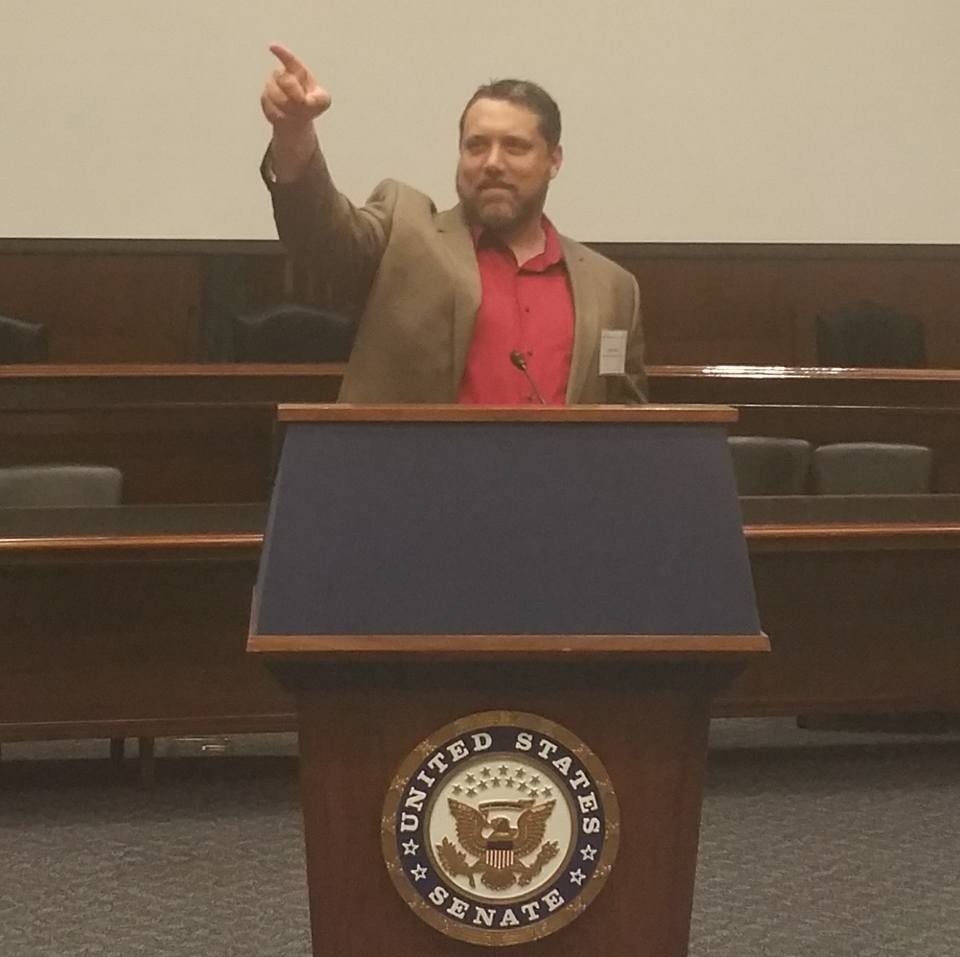
On May 29th, I will be giving a presentation in the Capitol Building in Salem to the Senate Committee On Veterans, Emergency Management, Federal and World Affairs. I got this opportunity because Brad and I are on the steering committee for Together with Veterans Northwest Oregon, and we’re doing a documentary with the mission to reduce and even end veteran suicide in rural Oregon.
The point I would like to make is that veterans in rural Oregon can find purpose and identity by serving in their communities. And by doing this their rural community will benefit. My problem is that I need help coming up with an ask at the end of our presentation. Something that these senators can do, so nothing that would need a large amount of funding. I’m going to paste my remarks here. Please give them a read and then help us come up with something realistic to ask this committee. You can email me at sean@seandaviswriter.com
Intro
Mr. chairman and the rest of the committee, thank you for letting us be here today.
My name is Sean Davis. I was raised in Central Oregon in a small town called McKenzie Bridge on the McKenzie River. My dad and uncles were loggers and I fully expected to be one too, but the logging stopped for the most part and I ended up joining the military like 70 percent of my graduating class. It was an easy way to make enough money to have a family.
I spent six years in the Regular Army with deployments around the world from Hawaii, to Upstate New York, to Haiti, to a small base in Germany. I got out in January of 1999, but reenlisted the day after September 11th, 2001 and did six more years as an infantry squad leader and platoon sergeant. I went to Iraq and was critically injured during an ambush that killed a friend and injured a half dozen others. My unit got back and when I was able to walk again, Hurricane Katrina happened and we were sent to New Orleans to help save lives. It was in New Orleans that I realized I could no longer be Sergeant Davis. I couldn’t do it physically, mentally, or even spiritually.

I came home soul-wrecked. I lost my identity and my purpose in life. I had severe PTSD from the firefights, the month-long mortar attacks, and all the dead I saw, some my friends, some enemies, some were children.
I had survived the war, but I wasn’t living. I was surviving every day, carrying survivor’s guilt, immense rage, and again loss of identity and purpose. I had several plans on how to kill myself and lived a very self-destructive lifestyle.
One morning I remember having a long conversation with myself at 3 in the morning. It ended with me saying, either do it, or get on with your life. Find a way to get through this. The VA helped me, and I used my benefits. Within 4 years I got my associates, my bachelors, and my masters degree, but then what? I started teaching college but I still had something missing.
I realized that I still wanted to serve. I found that helping others in my community gave me back my purpose and identity. I became the commander for an American Legion in Portland and we had a food pantry, we did clothing and blood drives, and one winter when people were freezing to death on our streets, we turned our post into a homeless shelter. We had forty homeless people a night, we were without a doubt saving lives. In the summer I joined a crew and for years I helped communities by fighting wildland fires.
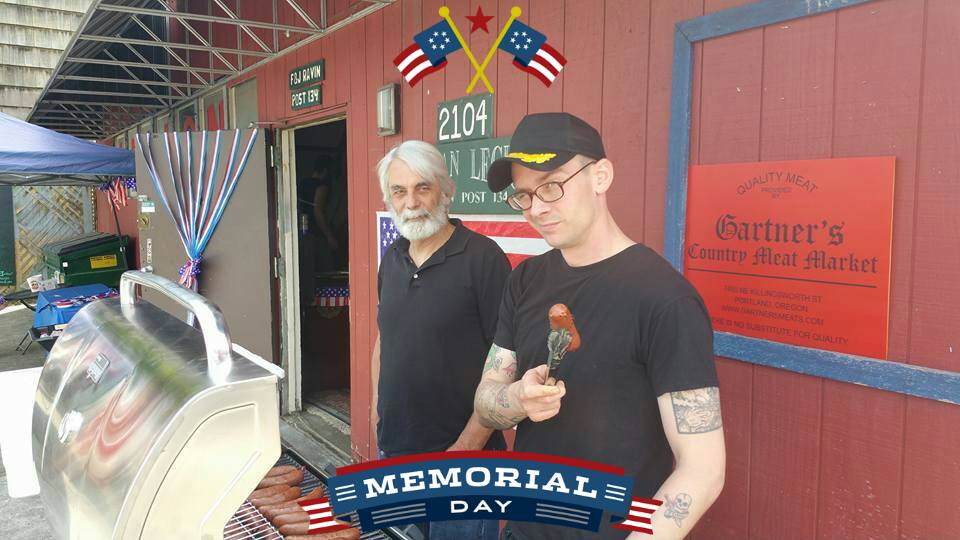


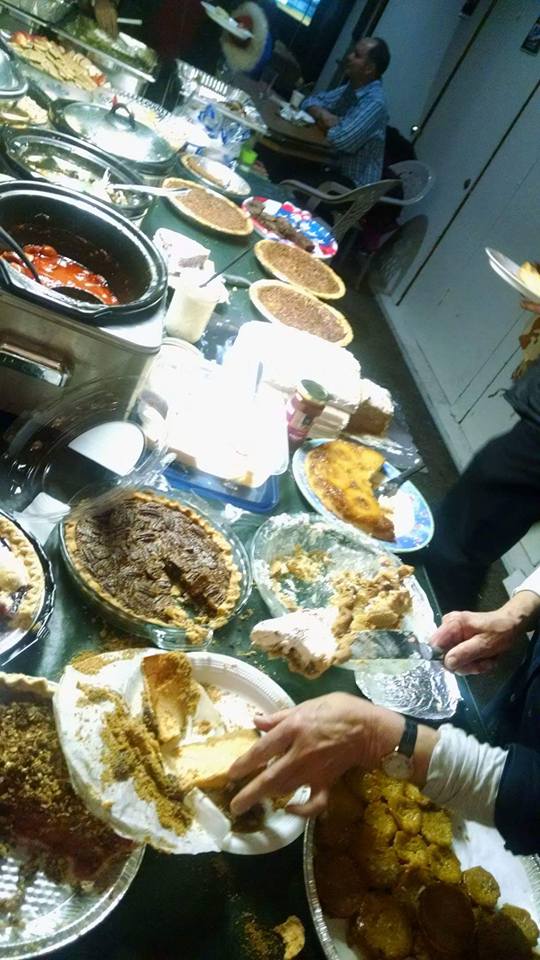
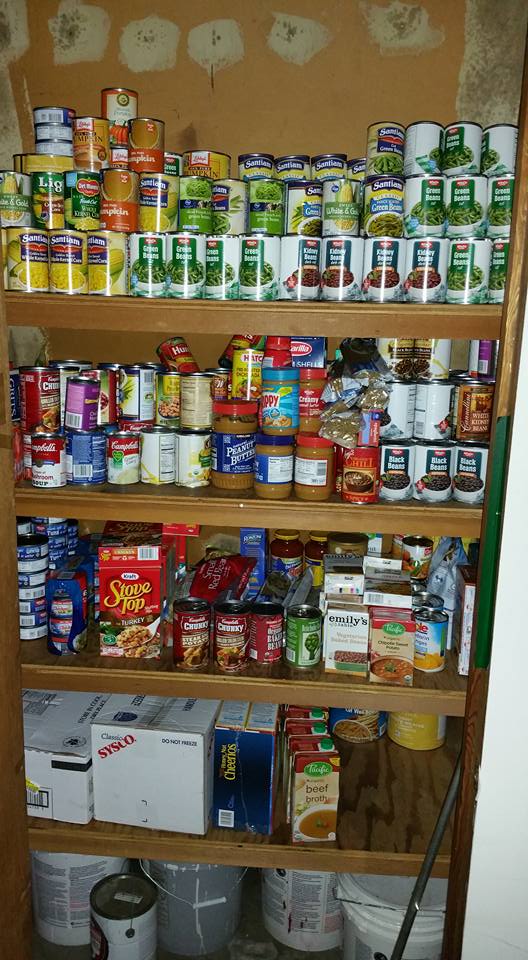
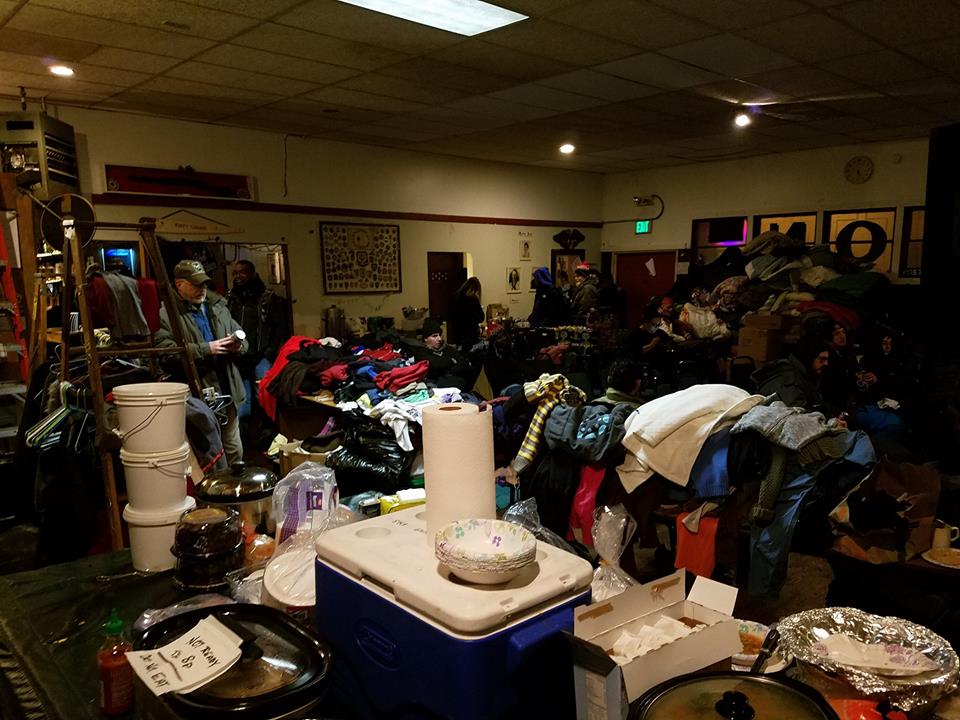


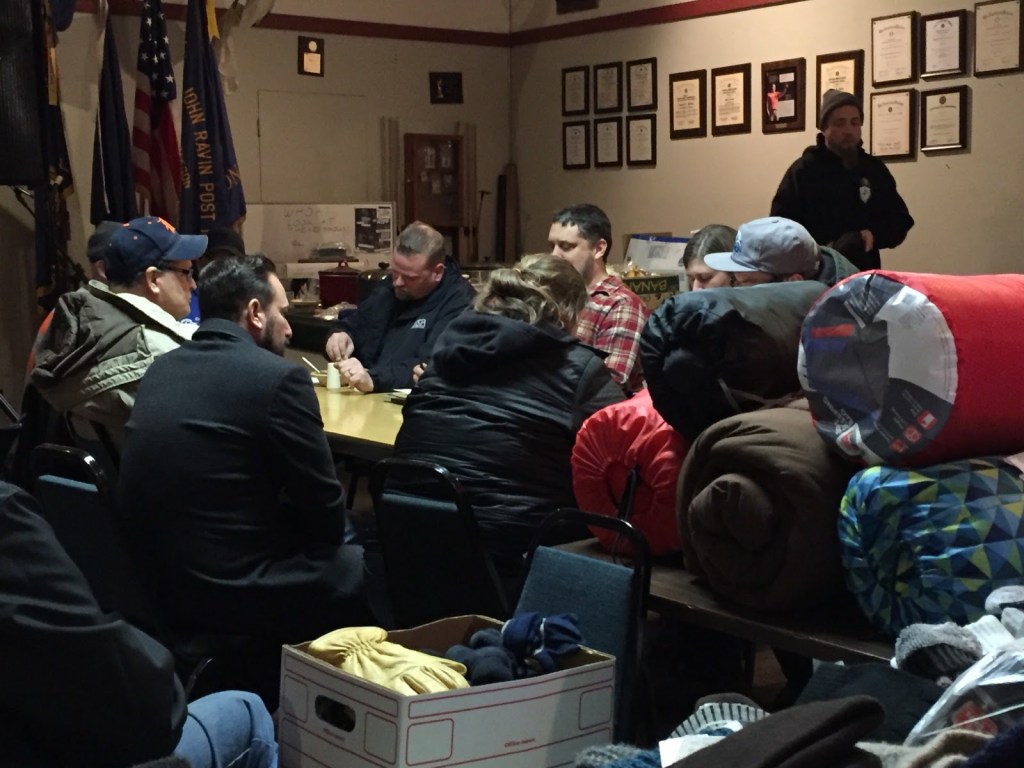
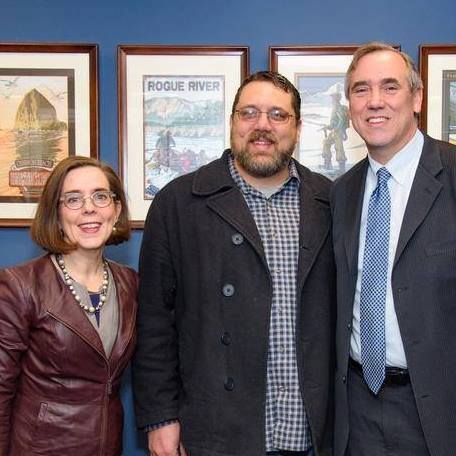
My point is that I found purpose and identity again through community service. Today I live in Astoria and my family and I still volunteer to help veterans. Brad and I are on the board of Together with Veterans Northwest Oregon, and we drove 1500 miles around our state speaking to other veterans who are serving in their communities. We want to show any veterans out there who may be struggling that they can help themselves while helping their communities. Here is a few photos and a video clip from what we’ve shot so far.
(We’re working on the presentation now)
Final Speech
We found, in our travels, that Oregon has a lot of veterans in rural areas. Ten percent of Clatsop County’s population are veterans. Ten percent of Tillamook County consists of veterans. For Columbia County it’s twelve percent. And that’s just the North Coast. Only four percent of the US population are veterans. That means that rural Oregon doubles and even triples the national average for veterans.
Most of our state’s veteran outreach is helping veterans get their disability payments from the VA. Full disclosure, I am 90 percent in my disability ratings for physical and mental issues caused by over a decade in the infantry. I fully understand and appreciate that the financial stability is vital to our disabled veterans. I understand that the VA money coming to our vets through their disability checks is good for the Oregon economy, but I believe that we concentrate too much on our veterans’ disabilities and not on their capabilities.
When your a disabled veteran and you can’t hold a job, you have your disabled veteran license plates and your card, when you find your identity again, you believe that you’re disabled. That becomes who you are, the crazy, disabled war veteran.
I want to go back to something I said earlier, about the time we turned our American Legion post into a homeless shelter. I was very naive. I believed that if I turned on a coffee pot and put some soup in a crock pot, I could run a homeless shelter. I believed I would have 3 or maybe five people at the most, but that first night we had 20, second night 30, after that 40 people a night for weeks. These people had addiction issues, mental health issues, and many other problems. I needed help. The veterans in my community, those guys sitting at home unable to hold a job, these disabled vets, they came and started working 18 hour shifts, volunteering. We got death threats, we were robbed, and other problems, but we did it. We were so successful and collected so much food and clothes that we sent people to drop food and clothing off at city and county shelters. Governor Kulongowski came in to check out what we were doing and he gave the coat off his back to a homeless man.
Another example: when my town burned down in the Holiday Farm Fire in 2020, it was the veterans who organized a daily group of volunteers to help feed the livestock left behind, to clear roads, to help people in any way they could.
A few other combat veterans and I saw federal troops gassing protestors in Portland, and we started the Wall of Vets. I’ve been to Washington D.C. three times to lobby for the end of our forever wars and the Oregon Wildlands Act.


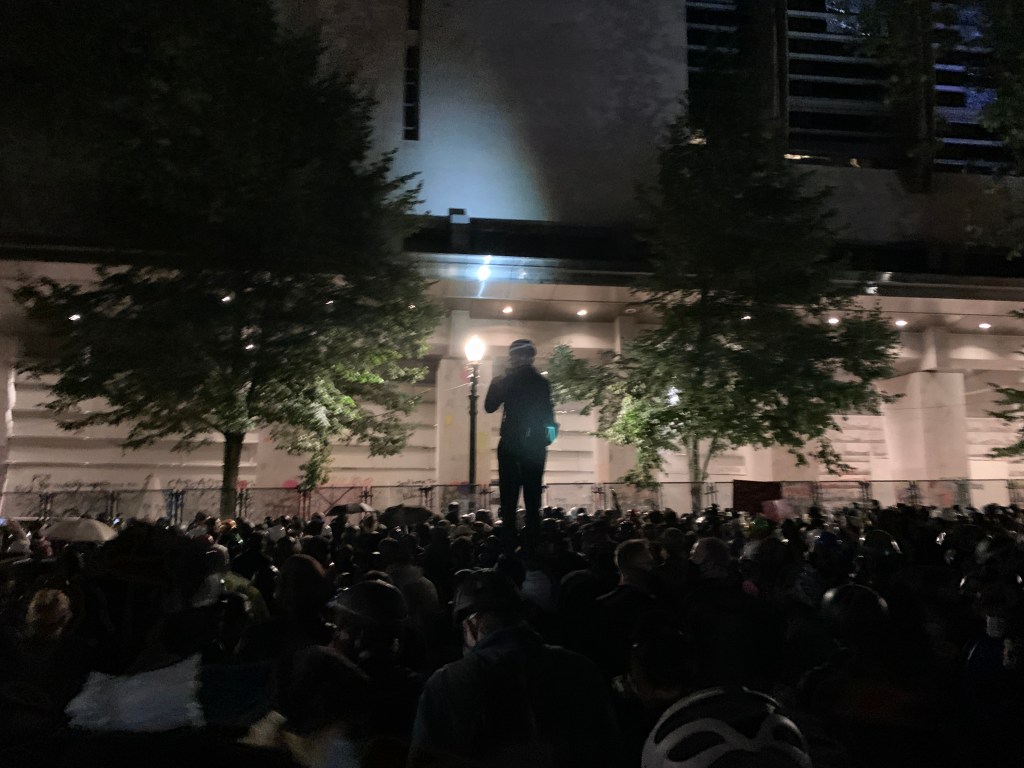
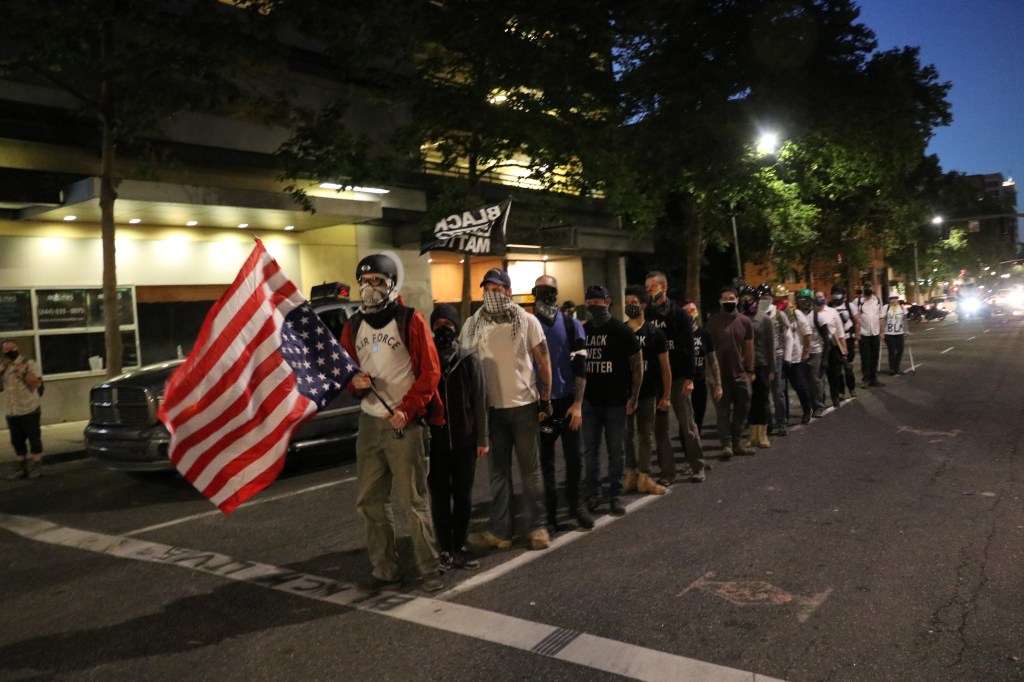


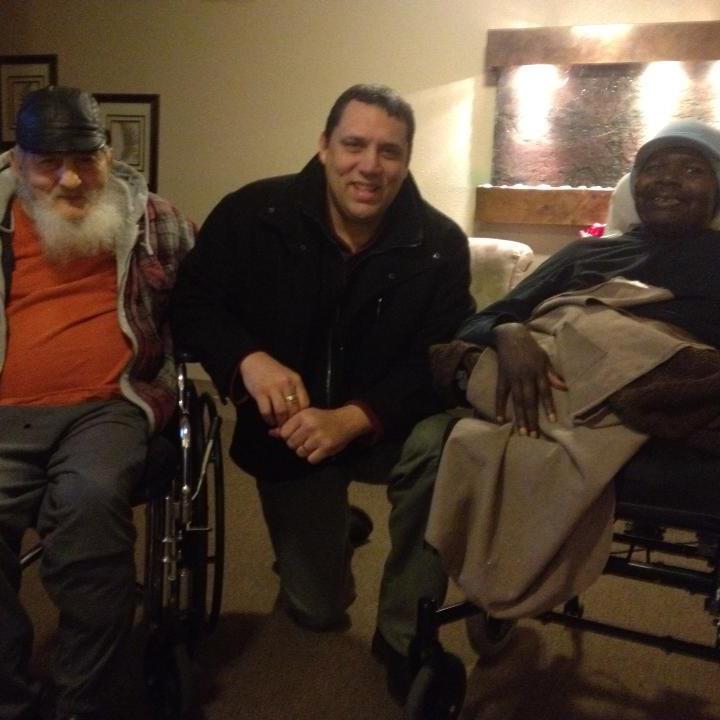

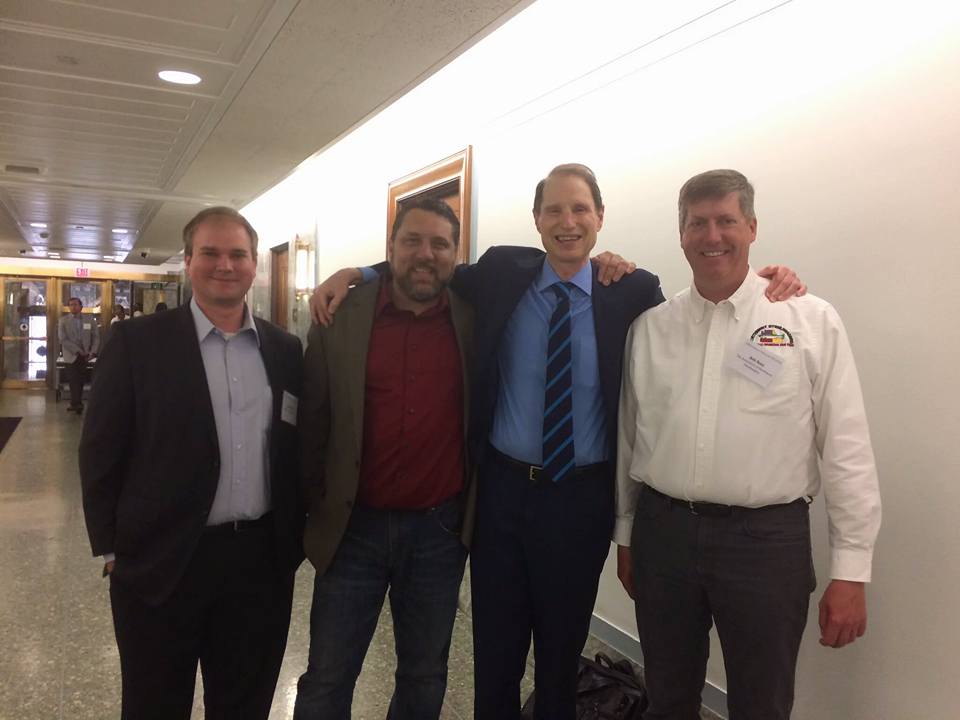



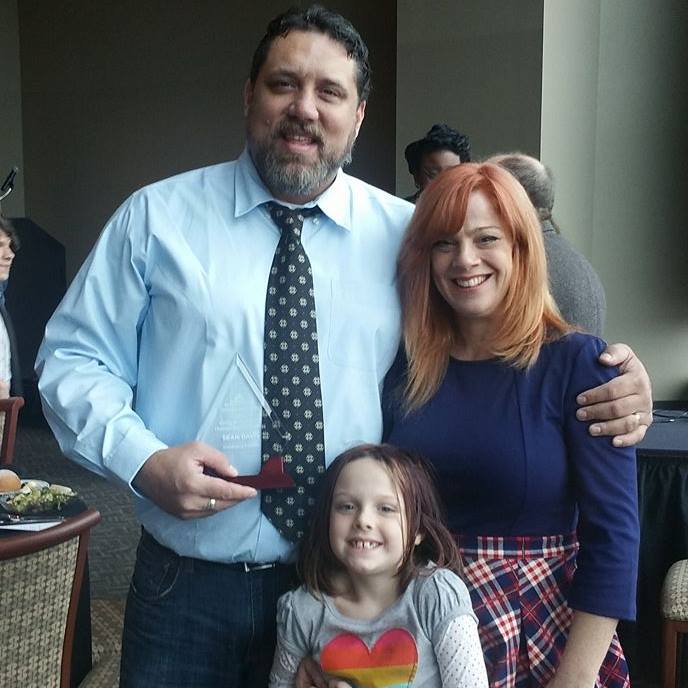



My point is that we can solve a problem with a problem. We can give veterans a purpose and identity by creating spaces for them to volunteer in their communities, and at the same time, we can help our communities by tapping an untapped resource: our veterans.
The ODVA has a veteran volunteer program, but it’s solely geared to help veterans get benefits and put in claims for disability payments. While I believe that is essential, we should also be creating opportunities for veterans to use their unique skill sets they learned from their military education and experience.
We would like to ask you…

 Sean Davis
Thanks for sharing , Sean. Let me think a bit before suggesting any words. Tom
Tom Keating 508-472-1377